When striving for symmetry in your room layouts, it’s essential to consider not only the placement of furniture but also the overall visual balance of the space. By strategically positioning key elements and incorporating design principles that promote harmony, you can transform a room into a cohesive and well-structured environment. But there’s a crucial aspect that often goes overlooked, and it involves…
Importance of Symmetry in Design
Symmetry plays a crucial role in design, enhancing visual balance and harmony in a room layout. When elements on one side of a space mirror those on the other, it creates a sense of order that’s pleasing to the eye. This balance can make a room feel more organized and structured, which can have a calming effect on the overall atmosphere.
By incorporating symmetry into your design, you can create a sense of coherence and unity within a space. This can help tie together different elements in the room, such as furniture, decor, and architectural features, to create a cohesive and well-thought-out design scheme.
Symmetry can also help guide the eye and create a focal point within a room. By arranging elements symmetrically around a central axis, you can draw attention to a specific area or feature, such as a fireplace, a piece of artwork, or a stunning view. This can help create a sense of balance and visual interest in the room.
Principles of Symmetrical Arrangement
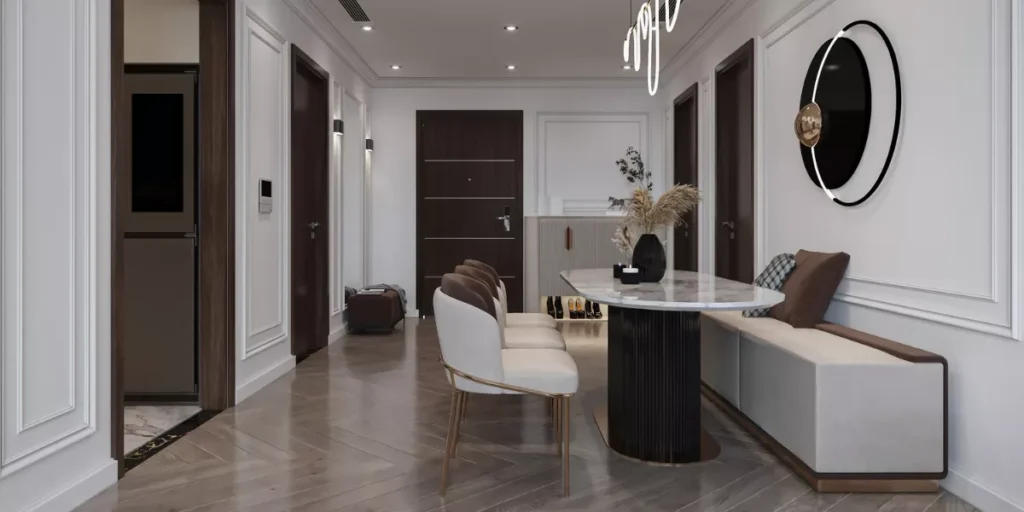
To achieve a well-balanced room layout that exudes harmony and visual appeal, understanding the principles of symmetrical arrangement is key. Symmetrical arrangement revolves around creating a sense of equilibrium by mirroring elements on either side of a central axis. This design principle is based on the idea that elements on one side of a space should be mirrored on the other side to achieve balance.
One fundamental principle of symmetrical arrangement is achieving a central focal point. This can be a fireplace, a piece of artwork, or a piece of furniture. Placing this focal point centrally and then arranging other elements symmetrically around it helps create a cohesive and visually pleasing layout.
Another principle is maintaining balance through the use of identical or similar objects on either side of the room. This could involve matching furniture pieces, identical lighting fixtures, or symmetrical decor items.
Furniture Placement Strategies
Consider strategic furniture placement to optimize space utilization and enhance the functionality of your room layout. Start by identifying the focal point of the room, such as a fireplace or a large window, and arrange your furniture around it to create a balanced and visually appealing layout.
To make the room feel more spacious, avoid blocking pathways and ensure there’s enough room to move around comfortably. Place larger furniture pieces, like sofas and beds, against the walls to open up the center of the room. Additionally, consider the traffic flow in the room and position furniture in a way that allows for easy movement from one area to another.
Utilize multipurpose furniture, such as ottomans with storage or extendable dining tables, to maximize functionality without overcrowding the space. Experiment with different arrangements until you find the one that best suits your needs and enhances the overall symmetry of the room.
Achieving Balance With Decor
When decorating your room, ensure that the balance of decor elements creates a harmonious and inviting atmosphere. Achieving balance with decor involves strategically placing various elements to distribute visual weight evenly throughout the space. Start by incorporating a mix of large and small items to prevent the room from feeling top-heavy or overcrowded. For example, pair a bulky sofa with delicate accent chairs to balance the overall look. Additionally, consider the colors and textures of your decor pieces. Introduce pops of color or pattern in different areas of the room to create visual interest without overwhelming the space.
Symmetry plays a crucial role in achieving balance with decor. Arrange matching items on either side of a central point to create a sense of equilibrium. This could be achieved by placing identical table lamps on nightstands flanking the bed or hanging identical artwork on either side of a fireplace. Remember, achieving balance with decor is about creating a cohesive and visually pleasing environment where every element complements the others.
Trending Products